A newsletter about vision, taste, and visual ideas.
The Art Direction of Szilveszter Makó
Published about 1 month ago • 3 min read
ISSUE 011
Hey Reader
Are we not taking art direction seriously enough?
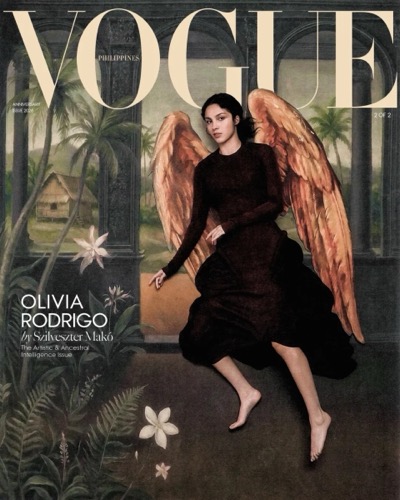
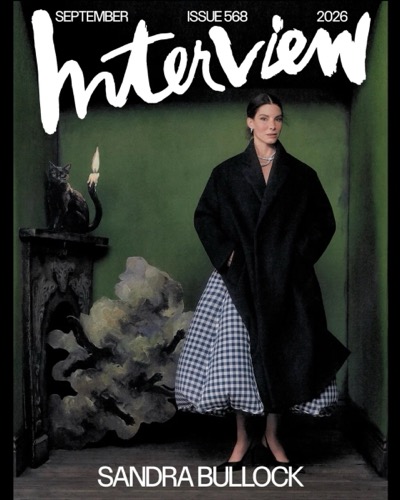
I keep seeing Szilveszter Makó everywhere lately; The Cut, Interview, Vogue Philippines, Vanity Fair. He's pushing the conventions of typical celebrity portraits to a space that get me so excited for the future...
Btw, want to learn art direction with me next month?
This is also the first cohort that will get access to a new tool I've been building. I'm not gonna lie, its pretty gamechanging. We’ll use it together to study references, name the visual techniques inside them, and figure out what is actually making an image work.
This is also the LAST bootcamp of the year. You can always enroll in the self-paced course but if you want the personal feedback, accountability and community that has pushed over 160+ students now to create legitimately standout spec campaigns for their art direction portfolios. You're going to want to join me in October.
Spots are limted. And this is the last week to enroll. Let me know if you have any questions!
Ok back to these amazing images from Szilvester...
The Art Direction of Szilveszter Makó
Szilveszter Makó's work often borrows the visual language of historical portraiture, fine art, theatrical sets, painted backdrops, period studio photography, and religious iconography.
But it rarely feels like he copied a single old painting. He combines techniques with a visual fluency that is rare, but learnable. Lets look at a few and put a name to the techniques and principles:
Visible facture is when the process can be seen in the final work ie when the hand of the maker stays present through painted surfaces, grain, brushwork, and constructed scenery.
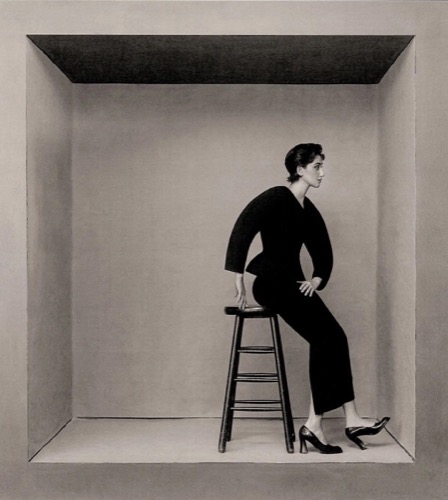
Frame within a frame turns the portrait into a small stage. Scenes within scenes.
Visual quotation references known genres, periods, or pieces of work. It allows the image to stand on the shoulders of its predecessors, as long as that reference is known (at least subconsciously) by the audience.
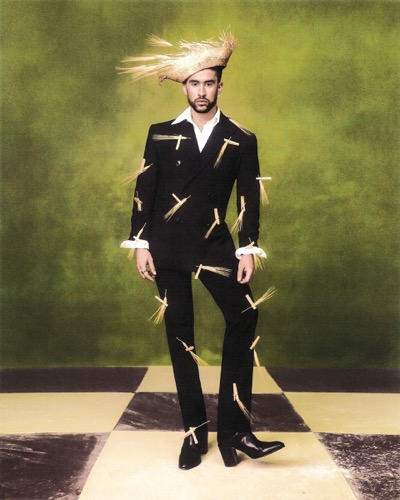
Scale disparity utilizes the contrast of sizes in order to accentuate a message.
Same visual DNA, different image, different clients/publications
This is a part I find so interesting about some of the top creatives. They have a distinct style, and the clients don't mind that they are all tapping into the same visual world. The subjects, clothes, and publications change, but the same ingredients keep showing up: visible facture, visual quotation, frame within a frame, scale disparity and so many more.
But whats also cool is that these same techniques are used again and again not just by Szilveszter Makó but so many other creatives in various combinations and they don't create one monotonous look & feel. swap in different subjects, combine with different ratios of intensity, change other variables and those same techniques create vastly distinct and unique images.
We often debate "originality". But to me, this is evidence that nothing is purely original, YET you can still feel that novelty in the context of its objective, variables, technique combinations, subject, etc etc.
The set is part of the image
From what I can gather (by snooping through his IG stories and dissecting the BTS) that painterly, surreal feeling is almost entirely constructed in camera. Painted physical scenery, handmade props, and deliberately visible artifice are doing a lot of the heavy lifting. You can imagine standing in the room and the majority of the image could be experienced live - before any photons reach the camera sensor.
That is why the behind-the-scenes images are so satisfying. You can see the illusion being built and there isn't much magic too it. does that make it feel even more magical?
References become useful when you can name the technique
This is a big topic I've been working on for my bootcamp curriculum. Instead of just saying you like the mood of this or that, or just saving another image to a giant reference folder, we can break the image into reusable visual techniques. I'm building tools for my students so they can not only name techniques in the work they love, but reconstruct new visual solutions for their own work.
Students in the October NEXT Art Director Bootcamp will be the first cohort to get access and use it together in class. And we're just getting started...